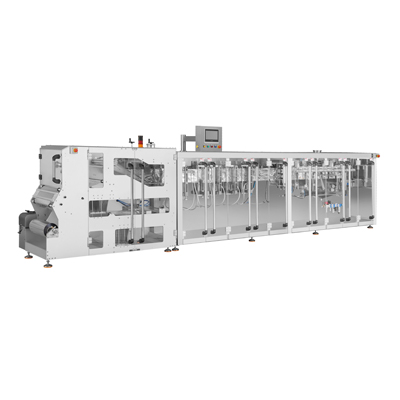
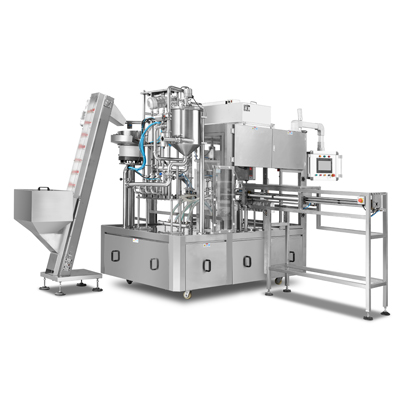
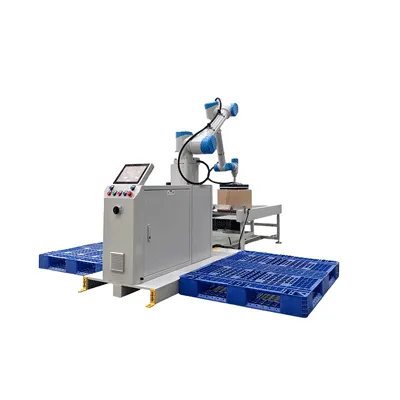
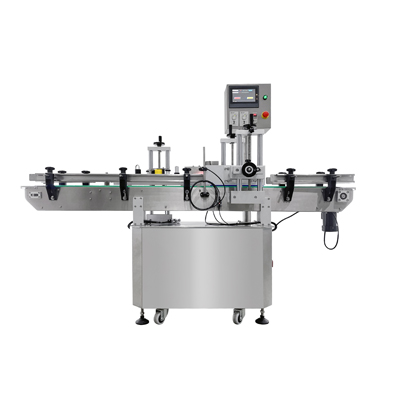
Premium packaging is not only about graphics — it is about structure, seal quality, consistency, and how the pack feels in a customer's hand. Choosing the right pouch packing machine determines whether your product looks boutique and shelf-ready or mass-market and generic. This guide compares pre-made pouch machines and VFFS systems through a brand-image lens, and highlights where a fully automatic pouch packing machine can elevate perceived value while keeping production efficient.
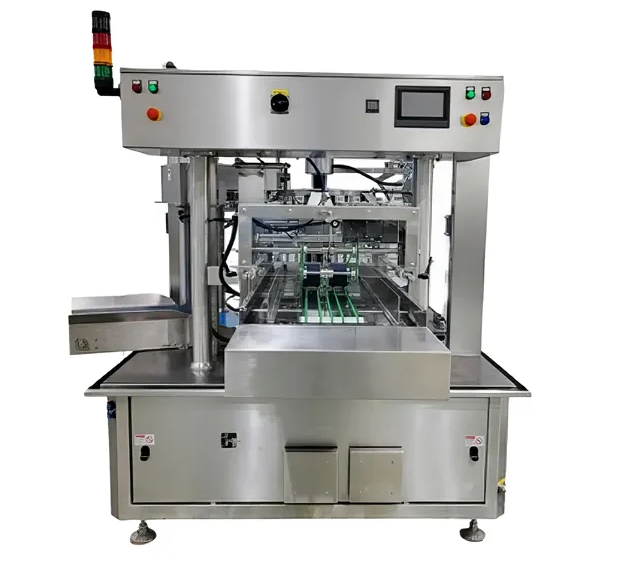
Fully Automatic Pouch Packing Machine: What Makes Packaging Look Premium in 2026
What Shoppers Notice at the Shelf
Premium packaging communicates quality before the product is even opened. The signals are physical and immediate.
| Premium Signal | What the Consumer Perceives | Machine Requirement |
|---|
| Stand-up stability | Product stands upright on shelf; looks organized and professional | Correct bottom gusset fill; consistent fill weight |
| Zipper feel | Smooth, aligned zipper that opens and reseals reliably | Precise zipper positioning and consistent sealing pressure |
| Clean corners | Sharp, symmetrical corners without wrinkles or folds | Pouch pre-formed to correct geometry; machine handles without distortion |
| Straight seals | Top and side seals aligned and centered; no wandering or bubbling | Temperature and pressure control across the full seal width |
| Minimal wrinkles | Pouch surface smooth and taut; not bunched or slack | Consistent fill volume; correct pouch size for fill weight |
The Operational Implication
Premium appearance requires machine consistency — not just premium film or premium design. A beautifully printed pouch filled and sealed inconsistently will look worse on shelf than a plain pouch sealed precisely. The machine's sealing control, pouch opening reliability, and handling precision determine the finished pack appearance as much as the graphic design does.
Pouch Packing Machine Comparison: Pre-Made Pouch vs. VFFS
The Structural Difference
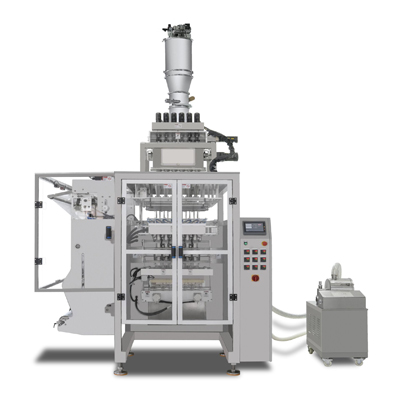
A VFFS (vertical form-fill-seal) machine forms the bag from a flat roll of film, fills it from above, and seals it in one continuous process. The finished bag is a simple pillow shape — functional, fast to produce, and cost-efficient per unit.
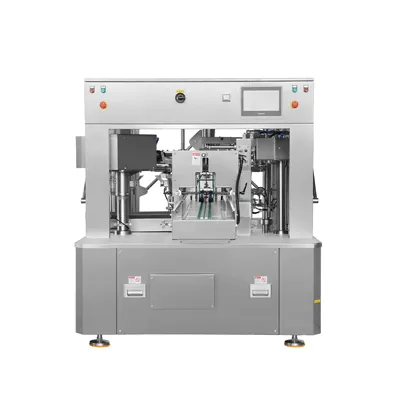
A pre-made pouch machine uses pouches that arrive already formed — stand-up pouches, zipper pouches, flat-bottom bags, shaped pouches — and opens, fills, and seals each one. The forming has already been done with precision equipment; the machine handles it gently and seals it cleanly.
| Comparison Factor | VFFS | Pre-Made Pouch Machine |
|---|
| Pouch shape options | Pillow bag standard; some gusseted options | Stand-up, zipper, spout, shaped, flat-bottom — full range |
| Zipper and closure options | Limited — adds complexity to the form-fill-seal process | Full range — zipper, slider, velcro, spout all standard options |
| Shelf presence | Functional; commodity pack appearance | Retail-ready; premium positioning |
| Film flexibility | Wide — many film types on roll | Determined by pre-formed pouch supplier |
| Speed | Higher — continuous process | Lower — intermittent open-fill-seal cycle |
| Cost per unit | Lower — roll film is less expensive than pre-formed pouches | Higher — pre-formed pouches cost more than roll film |
| Best brand fit | High-volume commodity products; cost-efficiency is priority | Premium or mid-premium brands where shelf image drives purchase |
The Brand Image Decision
VFFS suits brands competing primarily on price or volume. Pre-made pouch machines suit brands where the packaging is part of the premium proposition — specialty coffee, artisan snacks, premium pet food, nutraceuticals, and cosmetics samples all benefit from the structured, retail-ready appearance that a pre-formed stand-up zipper pouch delivers.
Fully Automatic Pouch Packing Machine Performance: Seal Quality and Clean Filling
Quality Factors That Protect Premium Perception
A seal failure on a premium product is a brand failure. The customer who receives a leaking coffee pouch or a poorly sealed pet treat bag does not blame the shipping carrier — they blame the brand.
| Quality Factor | What Controls It | What to Verify |
|---|
| Seal integrity | Temperature, pressure, and dwell time at the sealing station | Seal strength test (peel force) at production speed |
| Leak rate | Seal consistency and pouch material compatibility | Air decay or water immersion leak test on production samples |
| Fill accuracy | Weigher or filler precision; pouch opening consistency | Statistical fill weight data across a production run |
| Contamination-free sealing area | Dust removal system; fill containment above seal zone | Inspect seal area for product contamination at speed |
| Pouch opening reliability | Vacuum cup system and pouch grip consistency | Opening failure rate — should be below 0.5% for production efficiency |
Product Fit Examples
A fully automatic pouch packing machine handling pre-made pouches performs consistently across a wide product range:
Dry products (coffee, protein powder, spices, pet treats): auger filler or multihead weigher; nitrogen flush option for freshness
Wet products (sauces, liquid supplements): pump filler with anti-drip nozzle; sealing system suited to filled pouch weight
Granular products (nuts, seeds, snack mix): multihead weigher for speed and accuracy; dust extraction at fill point
Pouch Packing Machine Operations: Changeovers, Flexibility, and Total Cost
Changeover Time and SKU Flexibility
A brand that runs multiple pouch sizes — a 100 g trial size, a 250 g retail size, and a 1 kg bulk size — needs to change over quickly between formats. This is where pre-made pouch machines and VFFS differ in operational character.
| Changeover Element | VFFS | Pre-Made Pouch Machine |
|---|
| Film change | New roll loaded; former set adjusted for new width | New pouch batch loaded; no former adjustment needed |
| Fill weight change | Weigher or filler reprogrammed; typically fast | Same — weigher or filler reprogrammed |
| Seal parameter change | Temperature profile adjusted for new film type | Temperature profile adjusted for new pouch material |
| Total changeover time | 15–30 minutes for experienced operator | 10–20 minutes for experienced operator |
Total Cost of Ownership
| Cost Factor | VFFS | Pre-Made Pouch Machine |
|---|
| Packaging material cost | Lower — roll film at lower per-unit cost | Higher — pre-formed pouches at higher per-unit cost |
| Scrap rate | Higher — mis-formed bags; seal errors on roll stock | Lower — pre-formed pouches eliminate forming errors |
| Machine complexity | Higher — forming, filling, and sealing in one process | Moderate — filling and sealing only |
| Operator training | More complex to troubleshoot | More accessible; fewer variables |
| Downtime causes | Former jams; film tracking; seal misalignment | Pouch opening failures; fill spills; seal zone contamination |
For premium brands, the higher packaging material cost of pre-formed pouches is often offset by lower scrap rate and the brand value delivered by the superior pack appearance.
Fully Automatic Pouch Packing Machine Buying Checklist
Quote-Ready Specification Template
| Parameter | What to Define | Notes |
|---|
| Pouch type | Stand-up zipper, flat-bottom, spout, shaped | Define all formats the machine must run |
| Pouch size range | Width × height × gusset (min and max) | Drives the machine's grip and seal head dimensions |
| Target speed | Pouches per minute at your typical pouch size | Confirm at the largest pouch, not the smallest |
| Product type | Powder, granule, liquid, or mixed | Determines filler type required |
| Fill weight range | Minimum and maximum fill weight | Drives weigher or filler specification |
| Fill accuracy requirement | ± grams or percentage | Tighter accuracy requires higher-specification weigher |
| Nitrogen flush | Yes or no; oxygen target level | Required for oxidation-sensitive products |
| Date coding | Ink jet, laser, or hot stamp | Confirm position on pouch and integration with machine |
Integration Options to Confirm
Multihead weigher: for granular products requiring speed and accuracy — confirm head count and target accuracy
Auger filler: for fine powders — confirm auger pitch and seal-off design to prevent bridging
Liquid pump filler: for sauces and liquids — confirm anti-drip nozzle and CIP (clean-in-place) capability
Label applicator: if label is applied after filling — confirm position and orientation compatibility
Acceptance Testing Plan
Run 500 pouches at production speed with your actual product and pouch
Measure fill weight accuracy: mean and standard deviation against target
Inspect seal quality: visual inspection and peel force test on 20 samples
Conduct leak test: 10 pouches submerged for 30 seconds or air decay test
Assess finished pouch appearance: photograph under retail lighting conditions
Conclusion
If premium image is a core part of your brand strategy, packaging format matters — and so does the machine that makes it consistent. A pre-made pouch packing machine setup is the strongest choice for retail-ready zipper or spout pouches with high shelf impact. VFFS can be ideal for high-volume cost-focused products where pack structure is less important than throughput. The best decision comes from matching your brand positioning to the pouch format your customers respond to, then validating output quality with a fully automatic pouch packing machine test run before production commitment.
FAQ
Q1: What is the main difference between a pre-made pouch machine and a VFFS machine?
A VFFS machine forms bags from roll film, fills them, and seals them in one continuous process — the bag shape is determined by the film and forming collar on the machine. A pre-made pouch machine works with pouches that arrive already formed, opening each one, filling it, and sealing it. Pre-made pouches support a much wider range of shapes, closures, and structures including stand-up, zipper, spout, and flat-bottom formats.
Q2: Which format looks more premium on a retail shelf?
Pre-made pouches — particularly stand-up zipper pouches and flat-bottom bags — consistently present a more premium shelf appearance than VFFS pillow bags. The structured bottom gusset that allows stand-up stability, the functional zipper closure, and the consistent corner geometry all signal quality investment to the shopper in a way that a simple pillow bag does not.
Q3: Is VFFS always the cheaper option to run?
VFFS has a lower packaging material cost per unit because roll film is less expensive than pre-formed pouches. However, VFFS typically has a higher scrap rate due to forming errors and seal misalignment on roll stock. For brands where packaging appearance is a purchase driver, the cost of brand dilution from inferior pack appearance may exceed the material cost saving.
Q4: Can a fully automatic pouch packing machine handle zipper pouches and spout pouches?
Yes — pre-made pouch machines are specifically designed to handle complex pouch formats including zipper closures, slider zippers, and spout pouches. The machine's grip and transfer system is designed for the pouch geometry, and the sealing station is configured for the specific closure type. Confirm the specific formats with the machine supplier before purchase and run a validation test with each pouch format you intend to use.
Q5: What should I test before finalizing a pouch packing machine purchase?
Run a production test with your actual product and your actual pouch at your target production speed. Measure fill weight accuracy against your specification, test seal strength with a peel force test, conduct a leak test on a sample of filled pouches, assess finished pouch appearance under realistic lighting conditions, and time a full changeover from one pouch size to another with your operating crew.



 To Know Alpha-Pack More